Can Pressure Washing Damage Concrete Driveways?
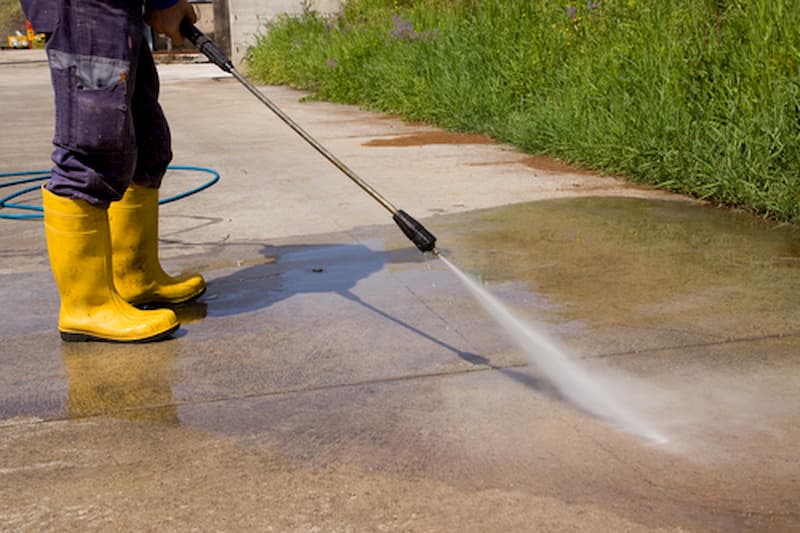
You’ve seen the satisfying before-and-after photos, but you may still wonder if pressure washing can hurt a concrete driveway. The short answer is yes, it can cause damage when it’s done the wrong way, and no, it won’t when trained pros use the right methods for the surface and the season in Fort Worth, TX. If a smooth, even finish is the goal, professional driveway washing is the safest path.
Concrete seems rock solid, yet it’s a living surface. It expands and contracts with North Texas temperature swings, absorbs moisture during spring storms, and bakes in summer heat. Under that stress, even small mistakes during cleaning can leave marks you’ll notice every time you pull into the garage.
How Concrete Responds to High-Pressure Cleaning
Concrete is a mix of cement paste, sand, and aggregate. The top “cream” layer is the smooth finish you see. High, focused pressure can strip that cream away, expose the sand or stone, or create faint lines known as tiger stripes. Chemistry matters, too. Detergents that aren’t matched to concrete can lighten or blotch the surface, and runoff can spot garage doors, trim, or landscape edging.
Fort Worth weather adds another wrinkle. Hot summers accelerate drying, so a section cleaned too slowly can flash-dry and show swirl marks. Winter cold snaps make brittle edges more vulnerable, especially along joints and the curb. Good pros plan around these realities, staging the wash so each pass looks even from the street.
Five Real Ways Damage Happens in Fort Worth Driveways
1) Using Too Much Pressure or the Wrong Nozzle
A concentrated blast can cut into the top layer of concrete, leaving a lighter patch or a rough feel underfoot. It’s not always obvious while it’s wet. The etching shows up as the driveway dries in the Texas sun. Pros control pressure and flow together, then test in a low-visibility area before beginning a full clean.
2) Holding the Wand Too Close or at a Bad Angle
The closer the tip, the more intense the impact. A shallow angle can carve crescents or leave streaks around edges and steps. A steady, balanced pass keeps water energy where it belongs: lifting grime, not scarring the surface.
3) Misusing Chemicals Around Concrete and Trim
Concrete-friendly detergents loosen oil, algae, and tire marks, but the wrong mix can create pale halos or drips. Splash-back may also discolor metal garage doors, stained wood trim, or mulch beds. Careful selection, gentle dwell times, and controlled rinsing prevent those headaches. When in doubt, protecting nearby surfaces before the first spray prevents problems that can’t be buffed out later.
4) Cleaning Worn or Weathered Slabs as if They’re New
Older drives in areas like Ridglea Hills or Arlington Heights may have micro-cracks, thin cream layers, or previous coatings. Treating them like brand-new surfaces risks chipping along expansion joints or exposing aggregate. A pre-clean inspection helps adjust the approach to the driveway you actually have, not the one you wish you had.
5) Skipping Rinsing or Leaving Uneven Passes
Rushing creates tiger stripes, those light-and-dark bands that show up in the afternoon sun. In Fort Worth’s dusty summers, leftover detergent films can also attract dirt faster after the wash. Methodical rinsing and overlapping, even passes, deliver a uniform, curb-appeal finish that lasts.
Risk Factors That Raise the Odds of Damage
Some driveways are simply more delicate on a given day. These common situations call for extra care:
- Thin or aging top layers that already look patchy, especially near the street apron or garage threshold.
- Shaded sections that stay damp and grow algae, typically along the side yard or under tree canopies.
- Heavy tire scuffs from frequent turning or parking in the same hot spot day after day.
- Legacy stains from leaf tannins or irrigation overspray that have lightened the surface in uneven ways.
If you can already feel a rougher texture in certain spots, that area needs a gentler approach to avoid exposing the aggregate further.
Signs Your Driveway Was Damaged During Cleaning
Not every mark appears right away. Here’s what homeowners around Fort Worth often notice after a poor wash:
- Light, chalky patches that don’t darken evenly after a rain.
- Visible lines or swirls that match the cleaner’s path.
- Exposed speckled stone where the smooth cream used to be.
- Flaking along control joints or edges that crumble under a finger.
- Sudden color differences around oil spots that were over-treated.
These signs don’t always mean a driveway is ruined, but they can be permanent. A professional evaluation can confirm what’s cosmetic and what may need repair, sealing, or a different maintenance approach going forward.
Why Professional Gear and Methods Matter
Modern equipment can harm or perform miracles. The difference is control. Pros use balanced machines, surface cleaners that keep pressure distributed, and detergents tuned for concrete soils we see in North Texas. They also stage water flow for even drying, manage runoff away from flower beds, and shield nearby doors and trim.
Equally important is the process. A solid provider maps the driveway, tests a small patch, adjusts technique for edges, and sets a pace that prevents sudden flash-drying. That’s how an even, streak-free finish happens. If you’re comparing companies, look for teams that talk about rinsing, dwell times, and protection steps, not just raw power numbers. For a trusted local pressure washing company, you can start with Firehouse Pressure Cleaning to learn how we care for homes across the area.
What to Expect From Firehouse Pressure Cleaning
First comes a walk-through. We look for weak edges, prior coatings, and high-traffic lanes where tires twist into the same spot. Then we choose a method suited to your slab’s condition, the day’s weather, and the type of grime on the surface. Edges and joints get special attention, so water energy doesn’t chip the sides or undercut the curb.
Next is a controlled clean that favors consistency. Large, even passes prevent zebra striping. Edges, borders, and steps are blended to the main field so everything dries uniformly. Rinsing is thorough, and we tidy up overspray areas like garage doors, base trim, and landscape borders.
When appropriate, we’ll talk about follow-up care. That might include scheduling maintenance during cooler parts of the day, addressing irrigation overspray, or planning periodic cleanings so heavy buildup never demands aggressive treatment. The result is a brighter driveway that still feels like concrete, not sandpaper.
What About Pavers, Brick Bands, and Coatings Next to the Driveway?
Many Fort Worth driveways include decorative borders, stamped panels, or adjacent walkways. Those surfaces react differently to pressure and detergents. Pavers can lose joint material if blasted carelessly, brick bands can lighten unevenly, and painted or coated sections can spot or peel. Professional mapping of materials ensures each area gets an approach that protects its finish while restoring color and contrast to the whole front entry.
Seasonal Considerations in Fort Worth
Local weather shapes the plan. In summer, heat speeds up drying, so we pace passes to prevent flash marks. In cooler months, occasional cold snaps make brittle edges more sensitive, so protection near joints and the street apron becomes even more important. After spring storms, sediment and leaf stains can streak if they’re not lifted evenly across the slab. Matching the method to the season is how you get clean concrete without the “tiger” look.
Ready to see your driveway brighten without the risk? Call Firehouse Pressure Cleaning at 817-991-0141 and let a trained team handle the work the right way. We’ll assess your concrete, protect nearby finishes, and deliver a smooth, streak-free result that boosts curb appeal.

Keep Your Exterior Clean With Our Fort Worth Pressure Washing Experts